Navigation
Send Us A Message
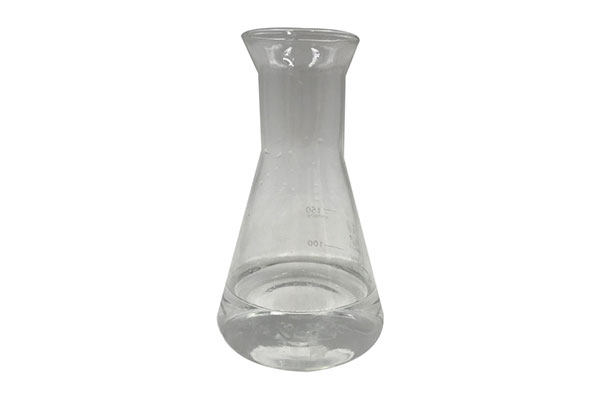
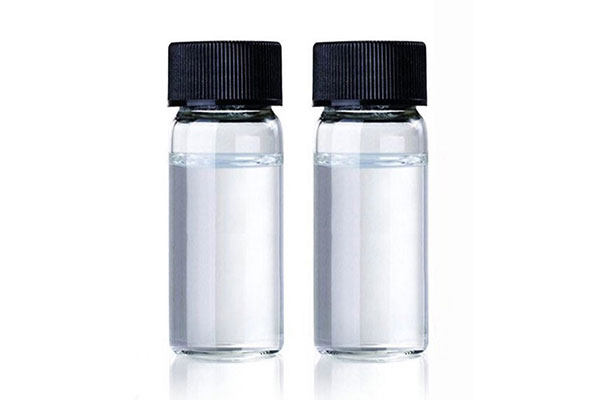
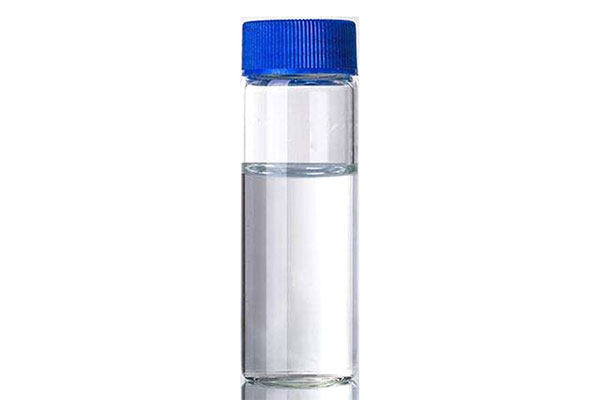
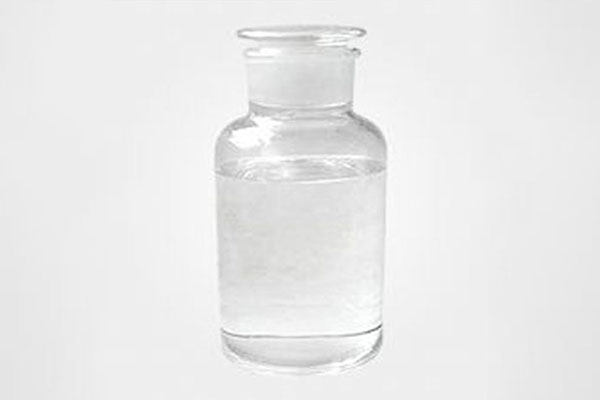
Ethanol 64-17-5
product description
Chemical Properties Of Ethanol 64-17-5
Safety Information Of Ethanol 64-17-5
Product Application Of Ethanol 64-17-5
Medical
- A solution of 70-85% of ethanol is commonly used as a disinfectant and it kills organisms by denaturing their proteins and dissolving their lipids.
- It is effective against most bacteria and fungi, and many viruses, but is ineffective against bacterial spores. This disinfectant property of ethanol is the reason that alcoholic beverages can be stored for a long time. Ethanol also has many medical uses, and can be found in products such as medicines, medical wipes and as an antiseptic in most antibacterial hand sanitizer gels.
Ethanal can also be used as antidote. It competitively blocks the formation of toxic metabolites in toxic alcohol ingestions by having a higher affinity for the enzyme Alcohol Dehydrogenase (ADH). Its chief application is in methanol and ethylene glycol ingestions. Ethanol can be administered by the oral, nasogastric or intravenous route to maintain a blood ethanol concentration of 100-150 mg/dl (22-33 mol/L).
Fuel
- Ethanol is flammable and burns more cleanly than many other fuels. Ethanol has been used in cars since Henry Ford designed his 1908 Model T to operate on alcohol. In Brazil and the United States, the use of ethanol from sugar cane and grain as car fuel has been promoted by government programs.
- The Brazilian ethanol program started as a way to reduce the reliance on oil imports, but it was soon realized that it had important environmental and social benefits. The fully combusted products of ethanol are only carbon dioxide and water.
- For this reason, it is environmental friendly and has been used to fuel public buses in the US. However, pure ethanol attacks certain rubber and plastic materials and cannot be used in unmodified car engines.
- The alcohol-based alternative fuel that is blended with gasoline to produce a fuel with a higher octane rating and fewer harmful emissions than unblended gasoline. A mixture containing gasoline with at least 10% ethanol is known as gasohol. Specifically, gasoline with 10% ethanol content is known as E10.
- Another common gasohol variant is E15, which contains 15% ethanol and 85% gasoline. E15 is only appropriate for use in Flex Fuel vehicles or a very small percentage of the newest vehicles. In addition, E85 is a term used for a mixture of 15% gasoline and 85% ethanol. E85 keeps the fuel system clean because it burns cleaner than regular gas or diesel and doesn’t leave behind gummy deposits.
- Beginning with the model year 1999, a number of vehicles in the U.S. were manufactured so as to be able to run on E85 fuel without modification. These vehicles are often labeled dual fuel or flexible fuel vehicles, since they can automatically detect the type of fuel and change the engine’s behavior to compensate for the different ways that they burn in the engine cylinders.
- The use of ethanol-diesel fuel blends is growing around the world, and are designed to provide renewable, cleaner burning fuel alternatives for off-road equipment, buses, semi-trucks and other vehicles that run on diesel fuel. With the addition of ethanol and other fuel additives to diesel, the characteristic black diesel smoke is eliminated and there are significant reductions in particulate matter, carbon monoxide, and nitrogen oxide emissions.
It is also possible to use ethanol for cooking as a replacement for wood, charcoal, propane, or as a substitute for lighting fuels, such as kerosene.
Brazil and the United States lead the industrial production of ethanol fuel, accounting together for 89% of the world’s production in 2008. In comparison with the USA and Brazil, Europe ethanol for fuel production is still very modest. Brazil is the world’s second largest producer of ethanol fuel and the world’s largest exporter.
Beverage
Significant volumes of ethanol are produced for the beverage and industrial markets from agricultural feedstock. Ethanol produced for these industries differs from ethanol for fuel only in its strength, which can vary between 96% and 99.9% and in its purity, depending on the end use. Beverage and drinks industry may be the best-known end-user of ethanol. It is used to make many kinds of spirits, such vodka, gin and anisette. High standards and processes are required for ethanal used in the production of spirit drinks.
Others
The ethanol used as an intermediary product by the chemical, pharmaceutical or cosmetics industry is in many cases of the highest and purest possible quality. These are premium markets due to the additional steps in the alcohol production process that are necessary to achieve the required purity. Same high standards and purity requirements apply in food industry, such as flavors and aromas extraction and concentrations, as well as paints and thermometers. Ethanol can be used in de-icer or anti-freeze to clear the car windscreen. It also is contained in perfumes, deodorants, and other cosmetics.
Factory Showcase
Quality Control Lab
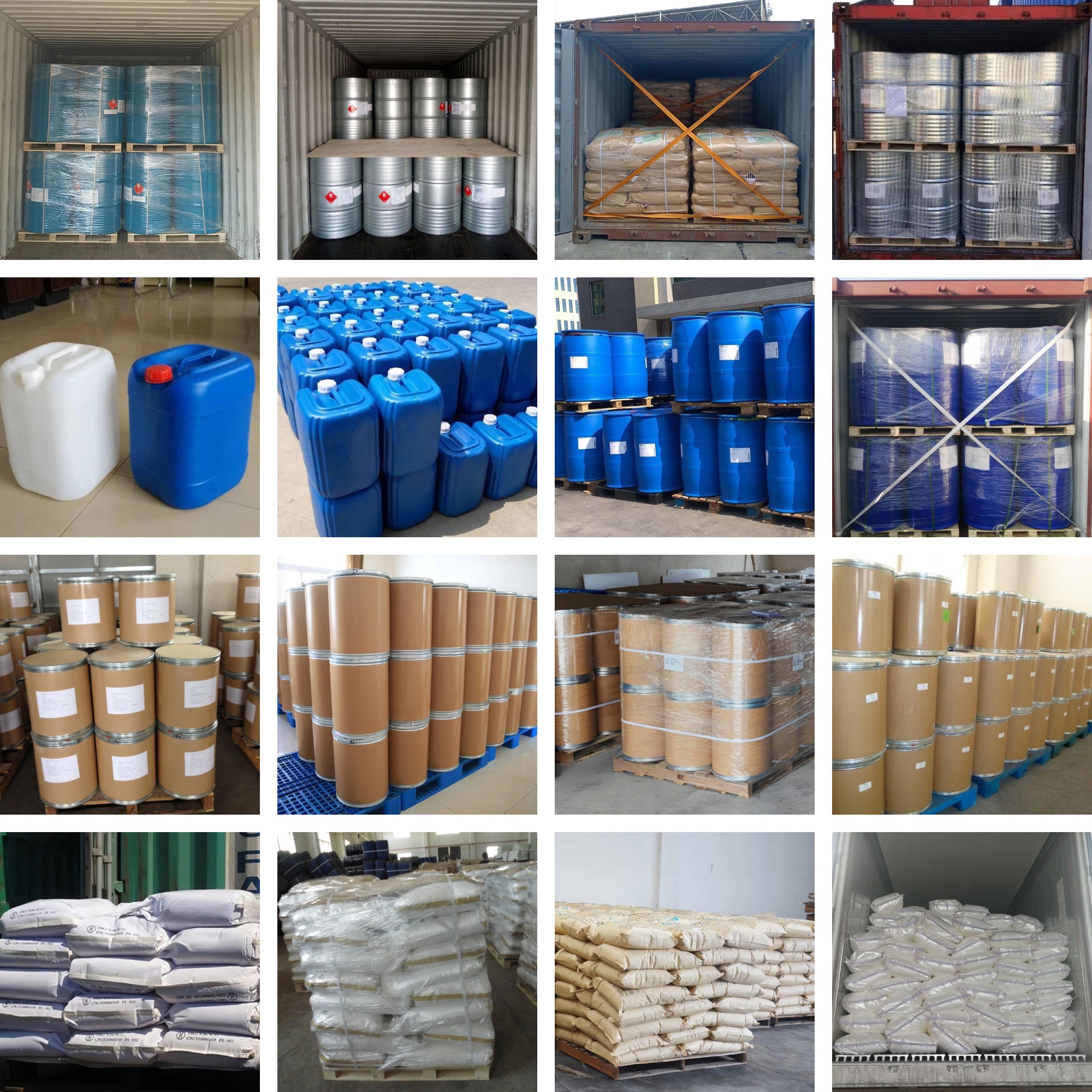
Shipping And Transportation
FAQ
1. Q: What fine chemical products does your company specialize in, and which industries do they serve?
Answer: Our company specializes in fine chemical products—including rubber and plastic additives, coating additives, composite material additives, and single- or multi-element fertilizers—and offers custom chemical manufacturing services. Our products are widely used in sectors such as coatings and inks, plastics, construction materials, textiles, advanced materials, agriculture, and water-saving irrigation, meeting the formulation and production requirements of diverse clients.
2. Q: Do you offer product customization for specifications and formulations? Is technical support available?
A: Yes, we support customization of specifications and formulations. Backed by a professional R&D team, we can adjust product parameters and formulas to suit specific operating conditions and industry standards. We also provide comprehensive technical support, including pre-sales product selection and post-sales application guidance.
3. Q: Can you provide complete quality inspection reports and relevant qualification documents with shipments?
A: We provide a full set of customs clearance and compliance documentation to meet both domestic and international trade standards. Full traceability is maintained for every product batch.
4. Q: What is the minimum order quantity (MOQ), and what is the typical lead time?
A: We support small-batch trial orders for standard products with flexible MOQs. Orders for in-stock items ship within 3–7 business days; lead times for large-volume or custom orders are confirmed based on production schedules to ensure timely delivery and maintain our clients' production continuity.
5. Q: Are your products available for export? Which countries and regions do you primarily serve?
A: We possess full import-export qualifications and a robust logistics network for international trade. Our products are exported in full compliance with regulations. Our key markets include Southeast Asia, the Middle East, Africa, and Europe, where we provide stable supplies and one-stop export delivery services to overseas clients.
6. Q: How do you ensure consistent product quality? What is your after-sales process for quality issues?
A: We implement end-to-end quality control, strictly monitoring raw materials, production, testing, and warehousing to ensure product stability. In the event of a quality issue, we respond quickly to verify the situation and offer solutions such as returns, replacements, reshipments, or technical adjustments to safeguard our clients' interests.
Contact Us
Recommendation
 Xanthan Gum CAS#11078 - 31 - 2Glucomannan is a linear polysaccharide consisting of 1, 4-beta – linked D-glucose and D-mannosyl residues, in which the ratio of glucose to mannose (Glc:Man) varies greatly. The Glc:Man ratio of konjac glucomannan is about. At 2:3, the ratio of aloe glucomannan is 1:2, while the ratio of Shalep glucomannan is about 1:4. All polysaccharides are acetylated, which gives them water solubility. Glucomannan is the main cell wall reserve carbohydrate in tubers of several plant genera. At certain stages of plant development, glucomannan is degraded and used as an energy source
Learn More →
 Natamycin 7681-93-8Pimaricin (also known as natamycin, INN) belongs to a naturally occurring antifungal agent produced through the fermentation of the bacterium Streptomyces natalensis. It is a kind of macrolide polyene antifungal used for the treatment of fungal keratitis, which is a kind of eye infection. In medical field, it can be used for the treatment of various kind of fungal infections caused by Candida, Aspergillus, Cephalosporium, Fusarium, and Penicillium. In food industry, it can be used as a natural preservative to prevent fungal outgrowth. Its mechanism of action is through binding to the ergosterol in the plasma membrane of fungi, inhibiting the process of ergosterol-dependent fusion of vacuoles and membrane fusion, further inhibiting the fungal growth. It also inhibit the transport of amino acid and glucose through inhibiting membrane transport proteins.
Learn More →
") Citric Acid-(1)
Citric Acid-(1)Learn More →
 Sodium Bicarbonate CAS#144-55-8
Learn More →
 Cyclohexane 110-82-7Cyclohexane 110-82-7 is obtained by the distillation of petroleum or by hydrogenation of benzene. It constitutes 0.5–1.0% of petroleum.
Learn More →
 CARRAGEENAN CAS#9000-07-1Benzothiazole and its derivative are recognized as the most important heterocyclic compounds. This series of compounds is of particular interests. It has various kinds of pharmacological properties and has been included in many kinds of natural products and pharmaceutical agents.
Learn More →
 1,2-Diaminopropane CAS#78-90-0It is used in the production of mineral processing reagents, metal passivating agents, resin curing agents for boats, rubber vulcanization accelerators, as well as in dyes, electroplating and analytical reagents (for the detection of mercury, copper and silver), pharmaceutical intermediates, etc.
Learn More →
") Citric acid monohydrate 5949-29-1-(1)Citric acid monohydrate occurs as colorless or translucent crystals or as a white crystalline, efflorescent powder. It is odorless and has a strong acidic taste. The crystal structure is orthorhombic. monohydrate crystals lose water of crystallization in dry air or when heated to about 40 to 50℃. Citric acid monohydrate softens at 75℃ and melts at approximately 100℃. It serves as a natural preservative and is commonly utilized to contribute an acidic or sour taste to foods and soft drinks.
Citric acid monohydrate 5949-29-1-(1)Citric acid monohydrate occurs as colorless or translucent crystals or as a white crystalline, efflorescent powder. It is odorless and has a strong acidic taste. The crystal structure is orthorhombic. monohydrate crystals lose water of crystallization in dry air or when heated to about 40 to 50℃. Citric acid monohydrate softens at 75℃ and melts at approximately 100℃. It serves as a natural preservative and is commonly utilized to contribute an acidic or sour taste to foods and soft drinks.Learn More →