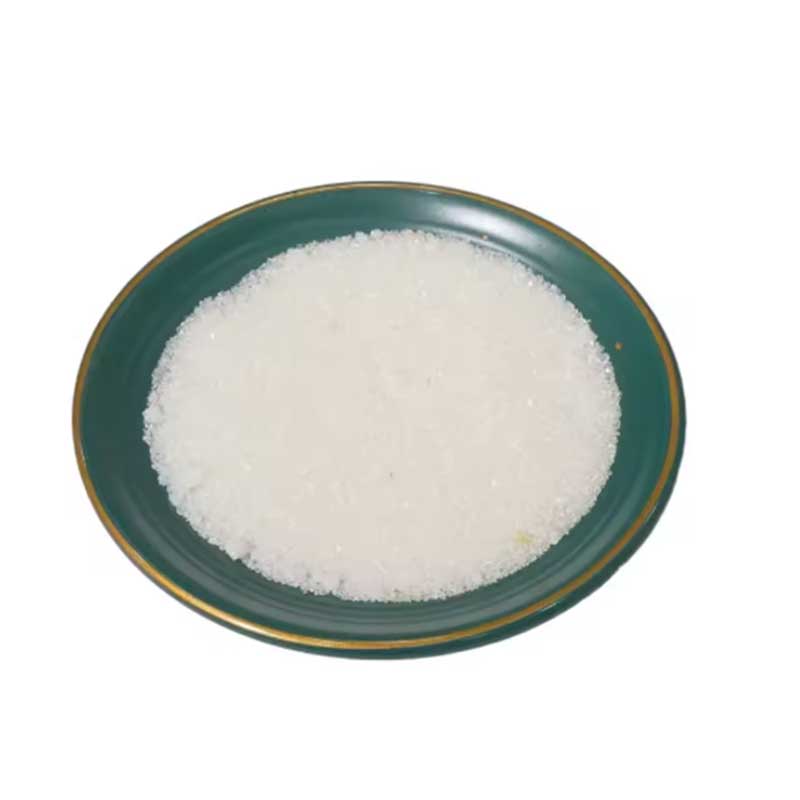
 Diethylenetriaminepentaacetic Acid CAS 67-43-6Pentetic acid or diethylenetriaminepentaacetic acid (DTPA) is an aminopolycarboxylic acid consisting of a diethylenetriamine backbone with five carboxymethyl groups. The molecule can be viewed as an expanded version of EDTA and is used similarly. It is a white, water-soluble solid.Contact Us
- Benzyl Alcohol 100-51-6Benzyl alcohol is an aromatic alcohol with the formula C6H5CH2OH. The benzyl group is often abbreviated “Bn” (not to be confused with “Bz” which is used for benzoyl), thus benzyl alcohol is denoted as BnOH. Benzyl alcohol is a colorless liquid with a mild pleasant aromatic odor.Contact Us
- Calcium Chloride 10043-52-4Calcium chloride are inorganic compounds with the chemical formula CaCl2(H2O)x, where x = 0, 1, 2, 4, and 6. All of these salts are a highly soluble in water. They are mainly used for deicing and dust control. Because the anhydrous salt is hygroscopic, it is used as a desiccant.Contact Us
- Acetic Acid 64-19-7Acetic acid is a colourless liquid or crystal with a sour, vinegar-like odour and is one of the simplest carboxylic acids and is an extensively used chemical reagent. Acetic acid has wide application as a laboratory reagent, in the production of cellulose acetate mainly for photographic film and polyvinyl acetate for wood glue, synthetic fibres, and fabric materials. Acetic acid has also been of large use as a descaling agent and acidity regulator in food industries.Contact Us
- Acetic Acid 64-19-7Acetic acid is a colourless liquid or crystal with a sour, vinegar-like odour and is one of the simplest carboxylic acids and is an extensively used chemical reagent. Acetic acid has wide application as a laboratory reagent, in the production of cellulose acetate mainly for photographic film and polyvinyl acetate for wood glue, synthetic fibres, and fabric materials. Acetic acid has also been of large use as a descaling agent and acidity regulator in food industries.Contact Us
- Paraformaldehyde 30525-89-4Contact Us
- Hydroquinone 123-31-9Paraformaldehyde (PFA) is the smallest polyoxymethylene, the polymerization product of formaldehyde with a typical degree of polymerization of 8–100 units. Paraformaldehyde commonly has a slight odor of formaldehyde due to decomposition. Paraformaldehyde is a poly-acetal.Contact Us
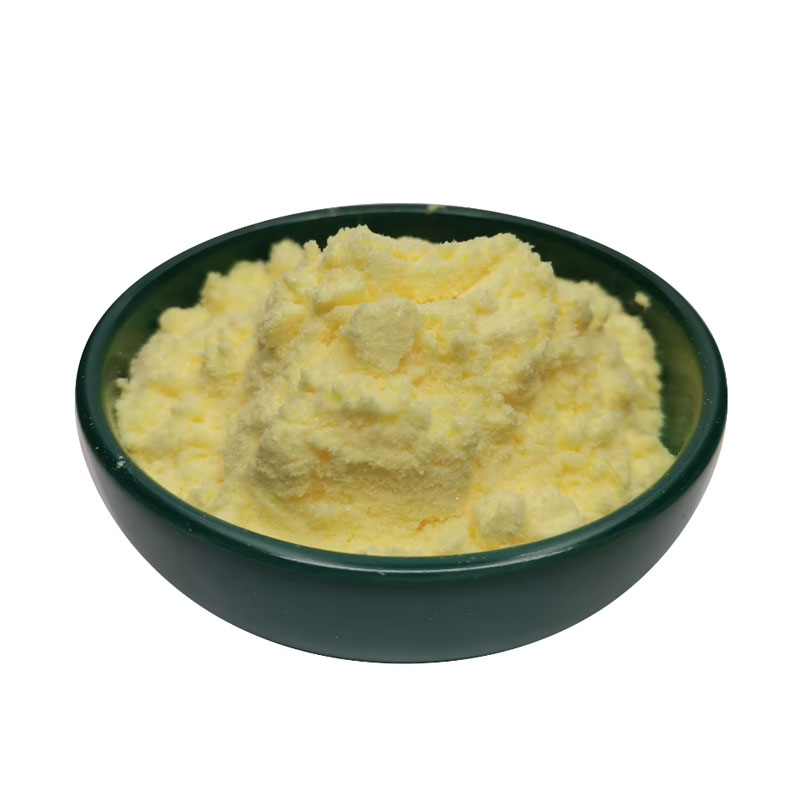
 4-Methylsalicylic acid # CAS 50-85-1It usually appears as white to grayish white. However, in some industrial-grade products, due to factors such as production processes and impurities, the appearance may have a slightly yellowish-brown tint. The product appears in powder form, with a fine and uniform texture, good fluidity, and is convenient for storage, transportation, and use and operation in various production processes.Contact Us
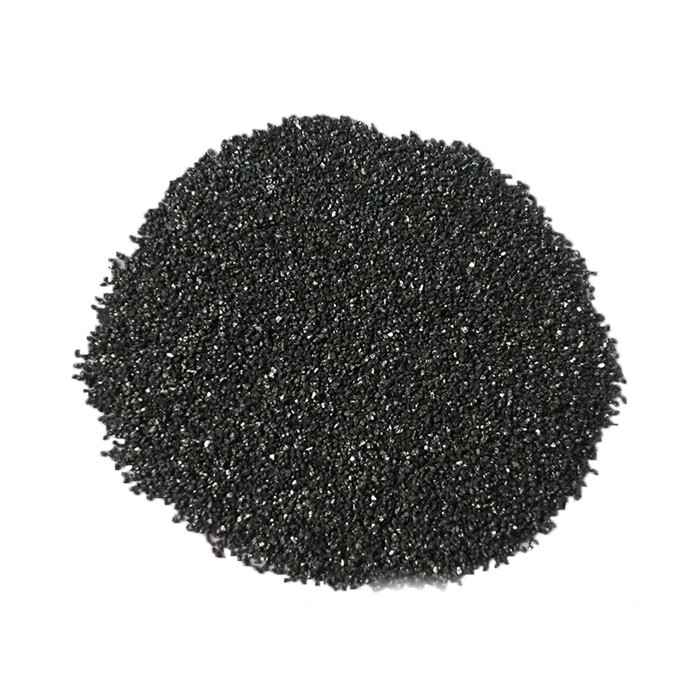
 Activated Carbon CAS#64365-11-3Activated Carbon, with the CAS number 64365-11-3, is a specially treated carbon material. It has a rich pore structure inside, which endows it with an extremely large specific surface area, thus having an extremely strong adsorption performance and playing a key role in many fields.Contact Us
- Benzothiazole CAS#95-16-9
Benzothiazole and its derivative are recognized as the most important heterocyclic compounds. This series of compounds is of particular interests. It has various kinds of pharmacological properties and has been included in many kinds of natural products and pharmaceutical agents.Contact Us - Dioctyl Terephthalate(DOTP) CAS 6422-86-2Dioctyl terephthalate (bis(2-ethylhexyl) benzene-1,4-dicarboxylate or Di(2-ethylhexyl) terephthalate), commonly abbreviated DOTP or DEHT, is an organic compound with the formula C6H4(CO2 C8H17)2.Contact Us
- Dioctyl Phthalate CAS 117-84-0Phthalate ester used as plasticizers and additives. Used in toxicology studies as well as risk assessment studies of food contamination that occurs via migration of phthalates into foodstuffs from food-contact materials (FCM).Contact Us

{item.title}
{item.description}
Contact Us
Liaocheng Jingze Fine Chemical Co., Ltd.